Previous case study
B2B eCommerce Platform Launch
Coming soon
![[PLACEHOLDER: hero image not yet provided]](/_astro/placeholder-hero.B9uZ27wD_ZwLCl6.svg)
B2B SaaS · Energy Management
Leading research and design for an early-stage energy startup’s core product, turning raw operational IoT data into dashboards facility teams could act on.
Two years into rebuilding its energy management platform from the ground up, the company had never shown it to a single user. I joined to change that, bringing user-centered design to the company for the first time: user interviews, iterative design, and an onboarding program built from what real facility managers actually needed.
The CEO was afraid that showing customers anything unfinished would cost the company their trust, and their business. So for two years, the product had been built entirely on his own expertise in the energy industry, no user in the room, ever. I joined right as that started to catch up with them.
“We needed a clearer picture of how customers were actually using the product day to day.”
Product Owner of Main Customer Account
Impact
Internal · Founder / CEO, Product, Engineering, Sales
Customer · Product Owner, User Advisory Board
Keeping just one warehouse-sized freezer at food-safe cold temperatures meant energy bills in the tens of thousands of dollars a month, and our client ran 250 of them. I joined an early-stage company that installed IoT sensors inside client warehouses, then built the Energy Management System meant to turn all that data into real savings.
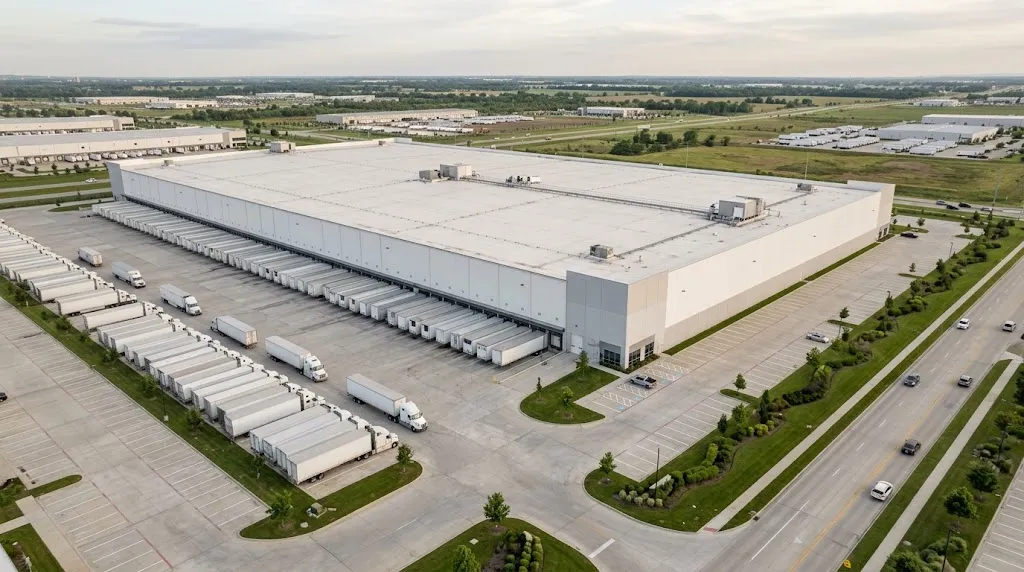
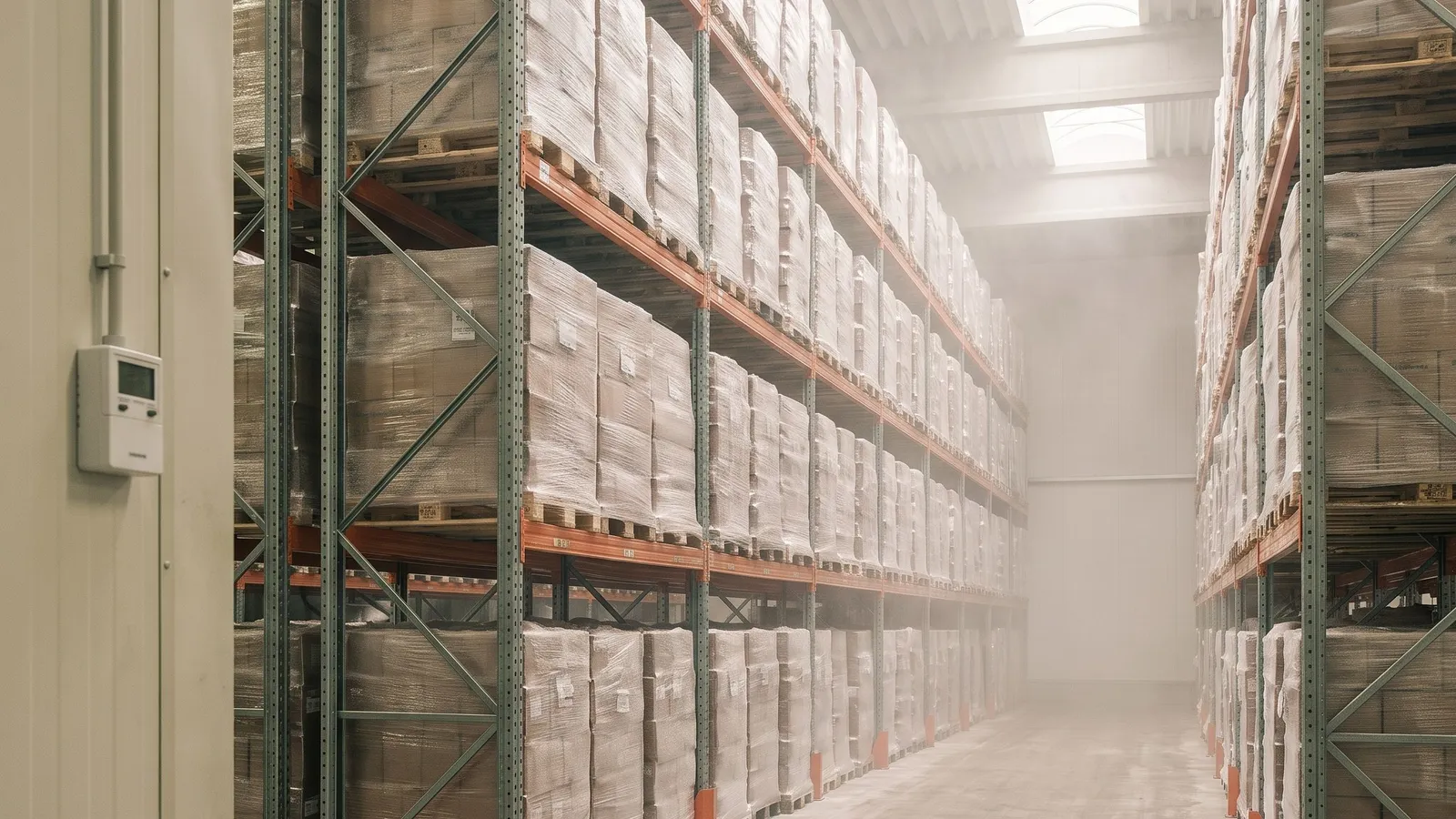
KiloWatt* had four goals riding on this rebuild: drive adoption of the new product, prove out real ROI on energy savings, use that traction to raise more funding, and grow past their three existing accounts. Of the four, adoption was squarely mine to move. Sounds simple enough, right? It wasn’t.
*Company name changed for confidentiality. ↩
Drive adoption of the new product
Prove out real ROI on energy savings
Use that traction to raise more funding
Grow past their three existing accounts
With no existing research to point to, I started with the basics: Who are our users? Are we building the right thing? Are we building it right? Every method I chose traced back to one of those questions. The team was skittish about anything that felt risky, so I moved carefully, watching for the right moment to propose testing instead of pushing it as one big ask.
I started with an ethnographic study inside a live cold storage facility, then moved into in-depth interviews, then usability tests as designs took shape. Two frameworks helped me make sense of what I was seeing: UTAUT, to understand what actually drives someone to adopt new technology, and the Receptivity Gradient, to track how ready different users were for change.
[PLACEHOLDER: framework diagram]
[PLACEHOLDER: research roadmap spreadsheet image]
Alpha and Beta testing gave me real, specific findings instead of guesses. Users looked at the KPI charts first, then flagged real friction: they couldn’t tell what date range they were looking at, they didn’t know where budget numbers came from, and they wanted to compare similar facilities to each other, not just get ranked against everyone. Every finding got logged the same way, what I observed, a screenshot or recording of the problem, and a suggested fix, so my PM could hand any ticket straight to a developer.
With a growing list of possible fixes, I built an Importance/Difficulty Matrix to prioritize what actually mattered: features rated by real user and stakeholder input on one axis, and actual development effort on the other. That mix of user testing and market research is what separated a genuine “high value, easy win” from a “want to have.”
[PLACEHOLDER: prioritization matrix image]
The biggest thing I learned: performance and effort expectancy, how well the product worked and how much effort it took to use it, were the real barriers to adoption, more than trust or interest.
The devs were split on whether mobile views were worth building. So I pulled up Google Analytics: about 2% of sessions came from phones. In interviews, users told me why. They’d much rather be out on the warehouse floor than at a desk, but their phones were nearly useless out there. Spotty or no cell service, and gloves that made tapping a screen almost impossible. Seeing those conditions firsthand on a site visit drove it home. So we put mobile on hold.
Early on, one developer was ready to build exactly what users asked for, whether or not it made sense, and leave it at that. That was the mindset the team had drifted into over years without a UX designer. By the time I left, that same developer was asking, “But how will this impact the users?”
The product had been built one page at a time, with no one stepping back to look at the whole experience: what people were doing, where they were headed next, and why. I mapped that out through task flows, first at a high level, then down into the specific decision points and edge cases. Sitting stakeholders in front of these flows turned abstract debates into concrete ones. We could finally point to the exact moment in someone’s day where the product was helping, or getting in the way.
[PLACEHOLDER: task flow images]
[PLACEHOLDER: wireframe iterations carousel]
41.67%
of invited users logged in during the first two weeks, with no incentive
70%
more time spent on the Facility Dashboard than in the old version
“It felt like Christmas.”
300%
user growth
$6M
Series A
Adopted
research roadmap became the product roadmap
Knowing people would need real support to get there on their own, I ran live onboarding webinars and started building a certification program, so people could actually learn the system instead of stumbling through it.
What made a difference
Advocating for research at a company that had never had it built trust fast, once people saw what it actually uncovered. The developer who once brushed off our users’ requests was, by the end, the one asking how a decision would affect them. That shift, more than any single feature, is what I’m proudest of.
What I’d do differently
I wish I’d been hired earlier, before two years of guessing had already hardened into habits. And I wish I’d known then what I know now about paid user-testing platforms. I spent so much energy chasing down participants one by one that a better tool could have solved in an afternoon.
Previous case study
Coming soon
Next case study
Coming soon